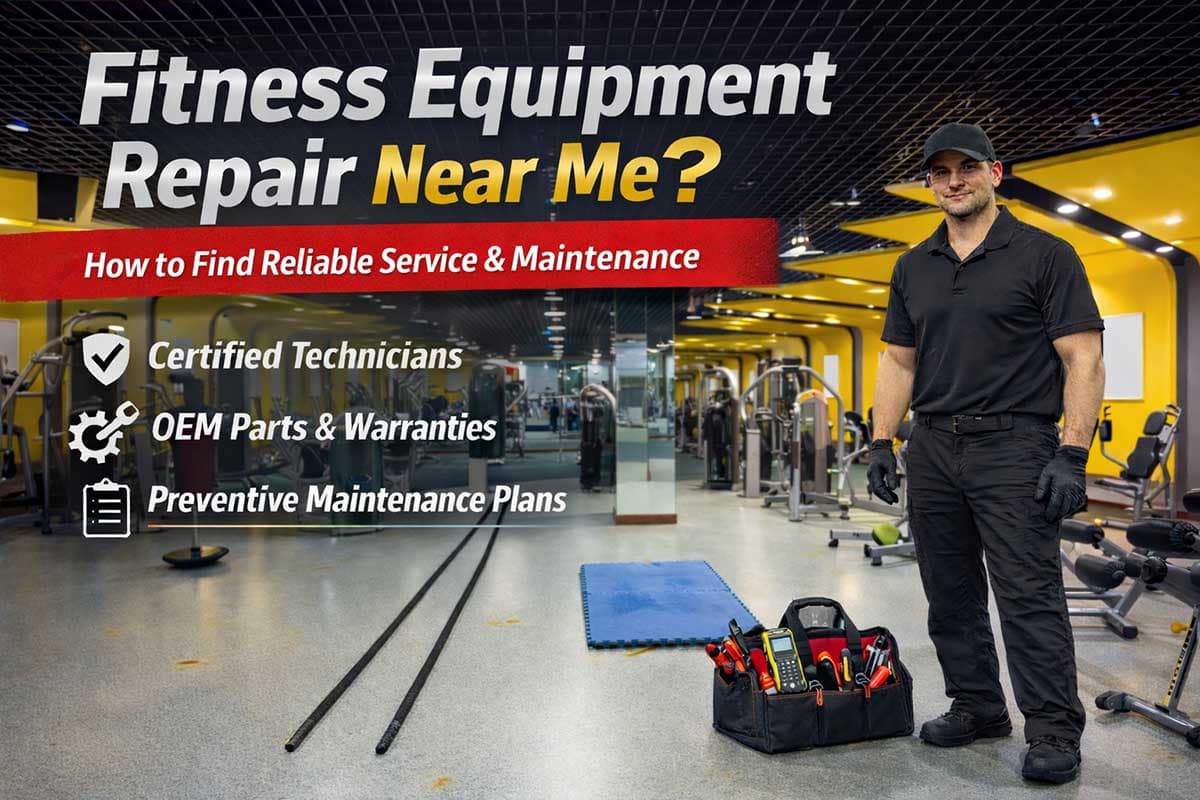
A Practical Guide to Finding Trusted, Local Fitness Equipment Repair and Maintenance
When a treadmill, cable machine, elliptical, or other fitness equipment starts malfunctioning, the natural first step is a search for “fitness equipment repair near me.” But not all local providers are created equal — and choosing the wrong one can cost you time, money, and even warranty coverage.
Whether you’re a homeowner, manage an apartment fitness center, run a school fitness room, or operate a commercial facility, this guide walks you through the exact questions you should ask before hiring a repair company. It also explains how to evaluate technicians, warranties, parts, and maintenance plans to ensure you get a dependable service partner—not just a quick fix.
What “Repair Near Me” Should Really Mean
A qualified repair service isn’t just near you geographically — they’re:
Experienced with your specific equipment brands
Transparent about costs and warranties
Certified or trained in professional repair standards
Capable of preventive maintenance, not just “break/fix” service
Ask yourself: “Will this company improve uptime, protect my equipment, and keep service costs predictable?” If the answer isn’t clear, keep asking until it is.
The Key Questions to Ask Before Hiring a Fitness Equipment Repair Company
1. Are Your Technicians Trained on the Brands I Use?
Not all technicians are equally skilled in all types of equipment. Ask whether they regularly service your specific models — especially if you own popular commercial and home brands like data-end=”2091″>Life Fitness, Matrix Fitness, NordicTrack, Horizon, Freemotion, or a True Fitness treadmill.
Good providers can talk about ongoing training, manufacturer guidance, and real past jobs on similar equipment.
2. Do You Provide a Written Estimate Before Work Begins?
A reputable service tech should offer a written breakdown of expected parts and labor costs, not a vague “we’ll see when we get there.” This protects you and sets clear expectations.
Questions to ask:
“Is the diagnostic fee separate?”
“Will I get a written estimate before repairs start?”
“What’s included in the quote (parts, labor, travel)?”
3. Do You Use OEM Parts or Quality Alternatives?
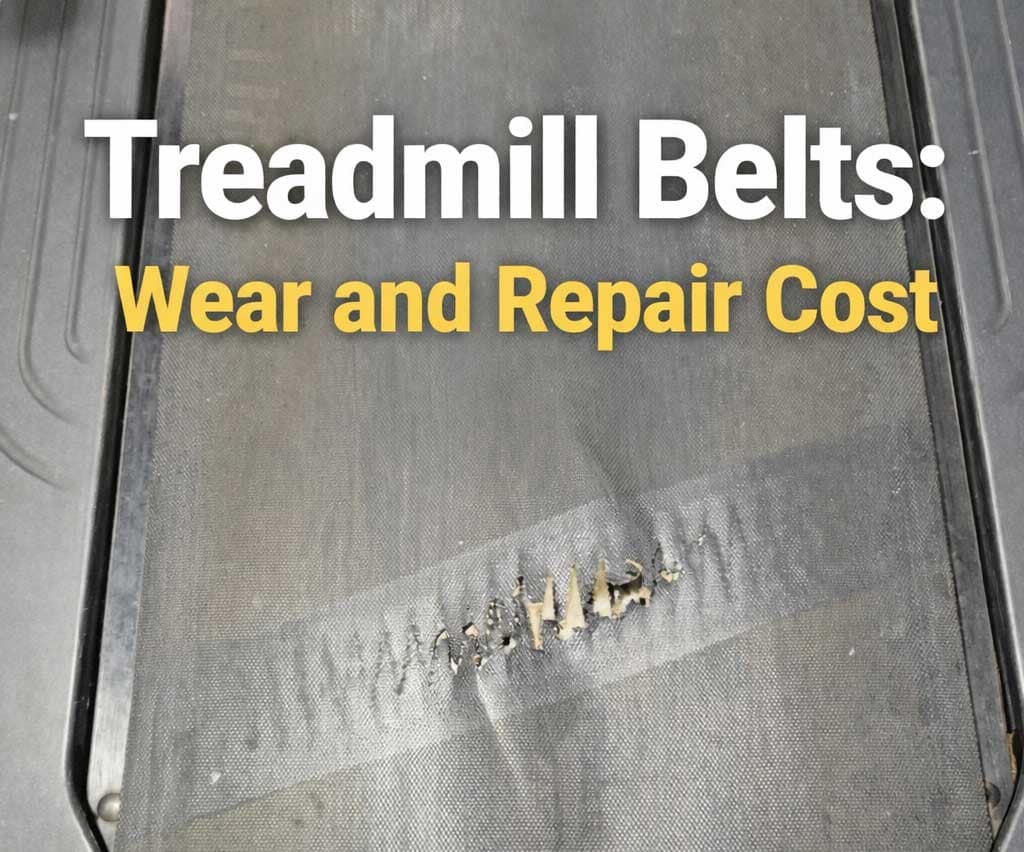
Replacement parts matter. Ask whether the company uses OEM (original) parts, high-quality compatible parts, or both and when each option is appropriate. Components like a walk belt or motor control board should be matched to performance and durability expectations, especially in commercial settings.
4. How Do You Handle Warranty-Sensitive Work?
You should always confirm whether a repair affects your existing manufacturer warranty. A great repair service will:
Ask about your current warranty
Explain if a repair could void coverage
Help document work in case warranty claims are needed
5. What’s Your Labor Warranty?
Even excellent technicians can’t predict every outcome — that’s why a clear labor warranty matters. Ask:
“How long does your workmanship warranty last?”
“What’s excluded (wear and tear, misuse, etc.)?”
“If the same issue recurs, how do you handle it?”
A confident provider stands behind their work.
6. Do You Offer Preventive Maintenance Plans?
Break/fix calls are expensive long term. Regular inspections, lubrication, cleaning, and tension checks can prevent many common failures.
Ask if they offer:
Scheduled maintenance visits
Detailed checklists and reports
Maintenance plans tailored for usage levels
Maintenance matters most in commercial service environments and apartment fitness centers, where wear happens faster.
7. Are You Insured and Capable of Commercial Service?
If you manage a facility rather than a single home machine, make sure your provider is:
Properly insured for liability
Experienced in documenting work for facility records
Able to handle multiple units in a single visit
This reduces risk and keeps compliance easy.
What Problems Should a Good Technician Solve?
A quality technician should be comfortable handling issues like:
Belt noise or drift
Console errors and connectivity issues
Motor hesitation or drive problems
Cable wear and pulley adjustments
You want someone who diagnoses correctly, not guesses, and explains the fix in plain language.
If You’re in ServiceRX Territory: A Local Option You Can Call
ServiceRX offers fitness equipment repair and preventive maintenance across multiple regions. Their technicians handle both home and commercial service needs for a broad range of brands and machines.
ServiceRX Local Contact Information:
 North Carolina / South Carolina Main Line:
 888-383-6371
Atlanta / Georgia Line: 855-669-2023
Northern Virginia / Washington DC Line: 844-681-5117
ServiceRX also provides dedicated pages that detail brand coverage, common repairs, and preventive maintenance plans to help protect your investment.
Before You Call: A Quick Prep Checklist
To streamline your service call and help the technician arrive ready:
Take photos of the machine and error codes
Note the brand, model, and serial number
Describe when the issue occurs
Indicate whether it’s a home unit or facility equipment
Provide access details (hours, parking, stairs/elevator info)
This helps reduce back-and-forth and speeds up repair turnaround.
FAQ… Fitness Equipment Repair Near Me
What should I ask a repair company before hiring?
Ask about technician training, the brands they service, parts quality (OEM vs compatible), warranty handling, labor warranty, and maintenance offerings. A reliable provider gives clear answers and written estimates.
Will a technician keep my manufacturer warranty intact?
A good provider will confirm your warranty status and explain whether a repair could affect coverage. When needed, they follow manufacturer procedures so your warranty remains valid.
How do I know if I need a repair or just maintenance?
If your equipment shows symptoms like belt slipping, cracking grips, repeated error codes, or unusual noise, it likely needs repair. Preventive maintenance, like cleaning, lubrication, and inspection, should be done regularly even when nothing seems wrong.
How quickly should a local repair company respond?
For most home equipment, next-day service is common. For facilities with high usage, ask if they offer expedited or emergency response options.
Should I replace parts myself or let the technician handle it?
Unless you’re experienced with machine internals, let the technician handle parts replacement. They’ll know the correct configuration, tension, and calibration needed, especially for critical systems like treadmill belts or control boards.
Are preventive maintenance plans worth it?
Yes. Regular maintenance catches issues before they stop workouts, extends equipment life, and reduces emergency repair costs, particularly in high-traffic settings like apartments and school fitness centers.