Commercial fitness centers are no longer “nice-to-have” amenities. For apartments, hotels, corporate offices, and community facilities, they’re a core part of the resident, guest, or employee experience.
But here’s the reality many facility managers face:
Gym equipment only delivers value if it works.
Without a clear maintenance plan, small issues turn into expensive repairs, safety risks increase, and complaints pile up fast. This guide breaks down what commercial facility managers need to know about gym equipment maintenance... and provides a practical checklist you can actually use.
Why Gym Equipment Maintenance Matters in Commercial Facilities
Unlike home gyms, commercial fitness equipment sees heavy, daily use by people of all experience levels. That combination creates risk if equipment isn’t properly maintained.
Regular maintenance helps facility managers:
Reduce unexpected equipment downtime
Extend the lifespan of high-cost machines
Minimize safety and liability risks
Control long-term repair and replacement costs
Deliver a better experience for users
Simply put, maintenance is thousands of dollars cheaper than replacement.
The Core Components of Commercial Gym Equipment Maintenance
Effective maintenance isn’t about reacting when something breaks. It’s about preventive care layered with routine inspections and professional servicing.
1. Daily & Weekly Visual Inspections
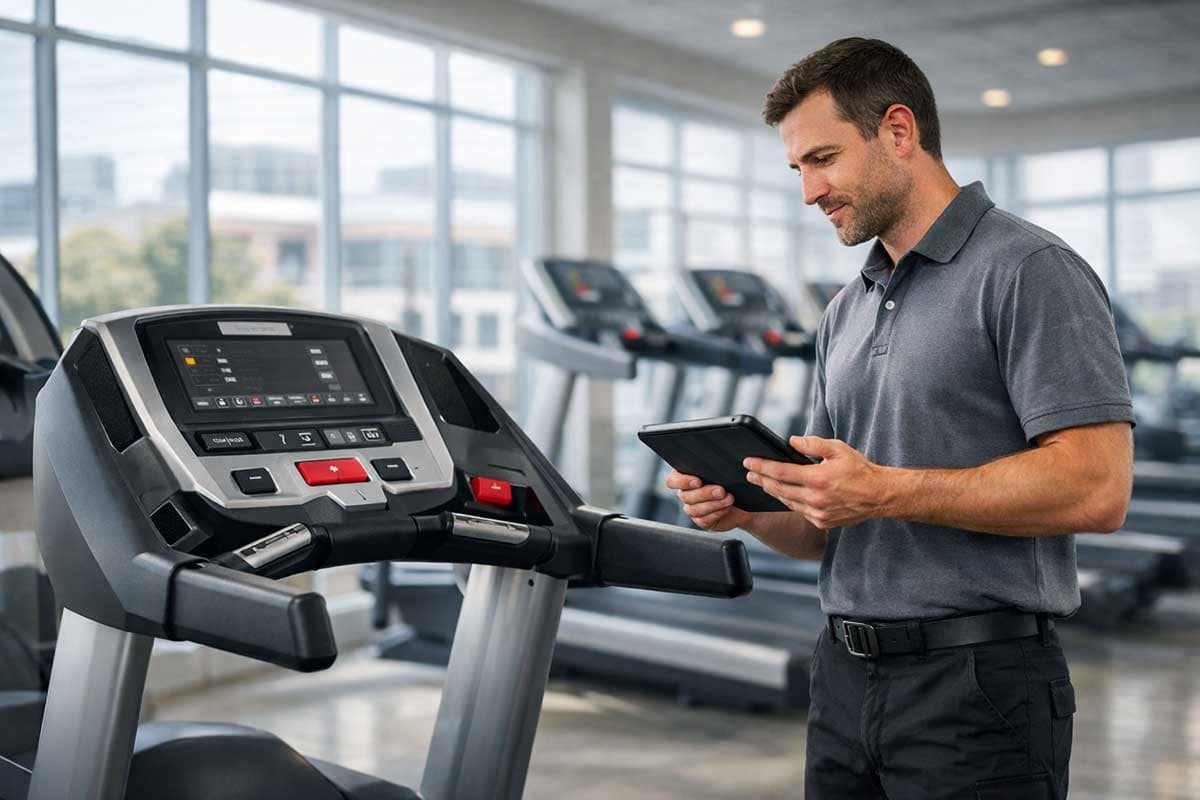
Facility staff don’t need to be technicians—but they should know what “normal” looks like.
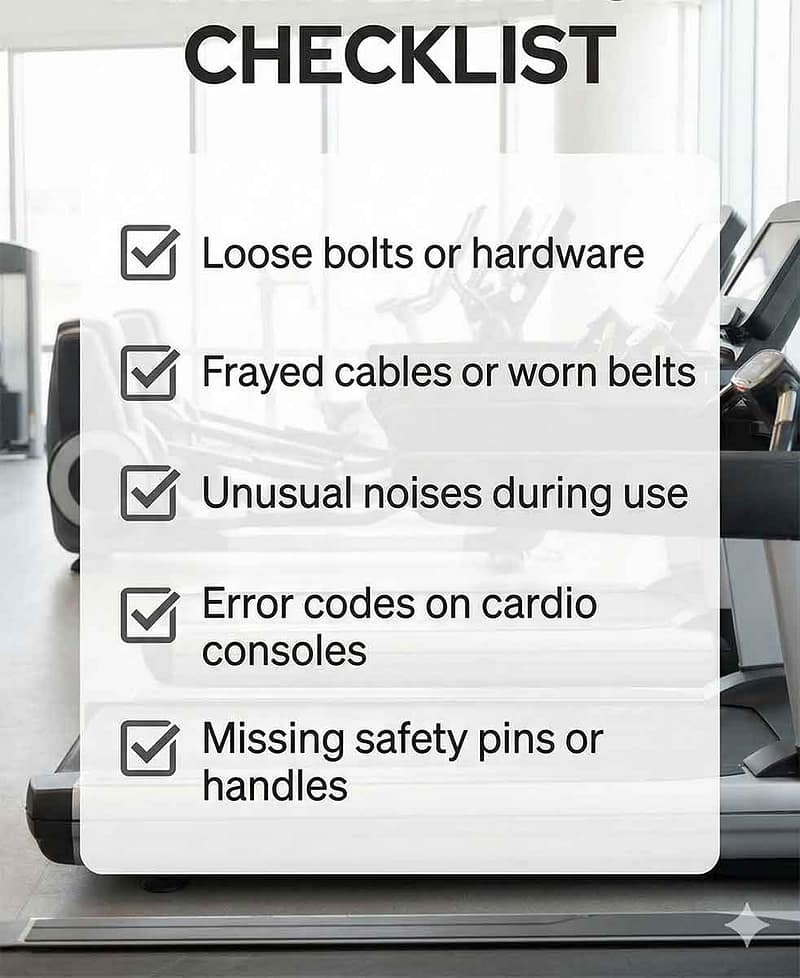
Check for:
Loose bolts or hardware
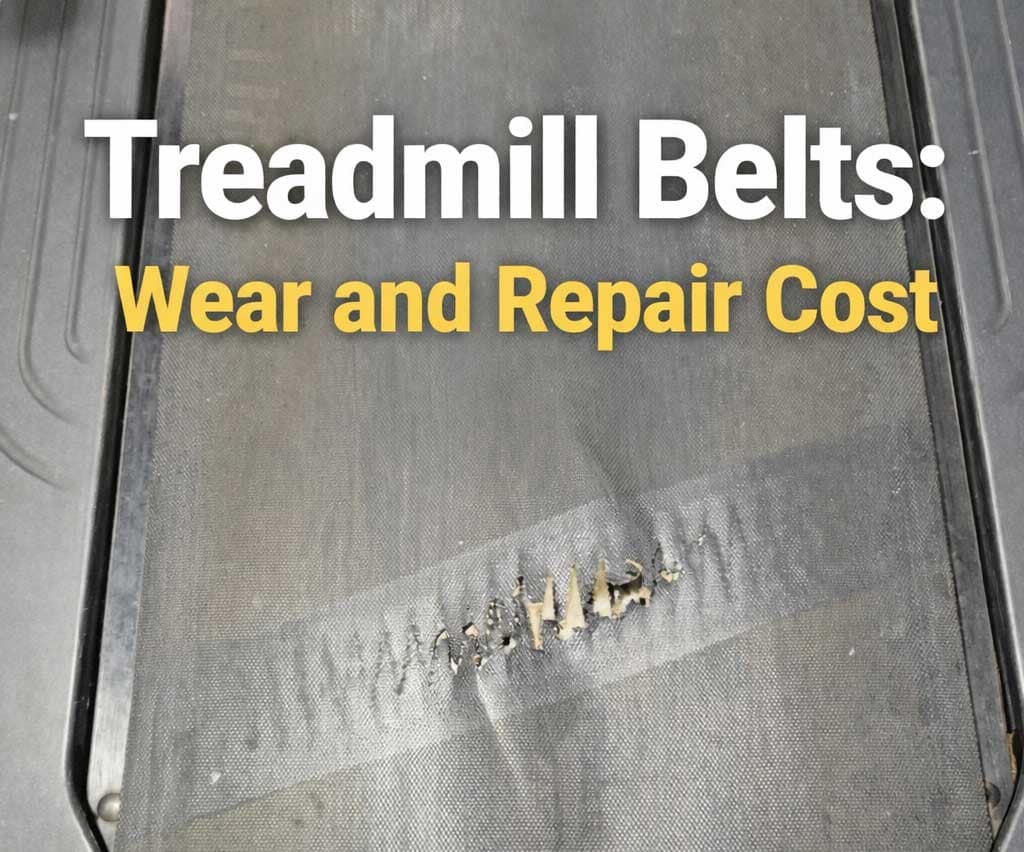
Frayed cables or worn belts
Unusual noises during use
Error codes on cardio consoles
Missing safety pins or handles
Catching issues early often prevents a machine from going fully out of service.
2. Cleaning and Sanitation (More Than Just Wipes)
Sweat, dust, and debris are some of the biggest enemies of fitness equipment.
Best practices include:
Wiping down equipment surfaces daily
Vacuuming under treadmills and ellipticals
Cleaning air intakes and vents on cardio machines
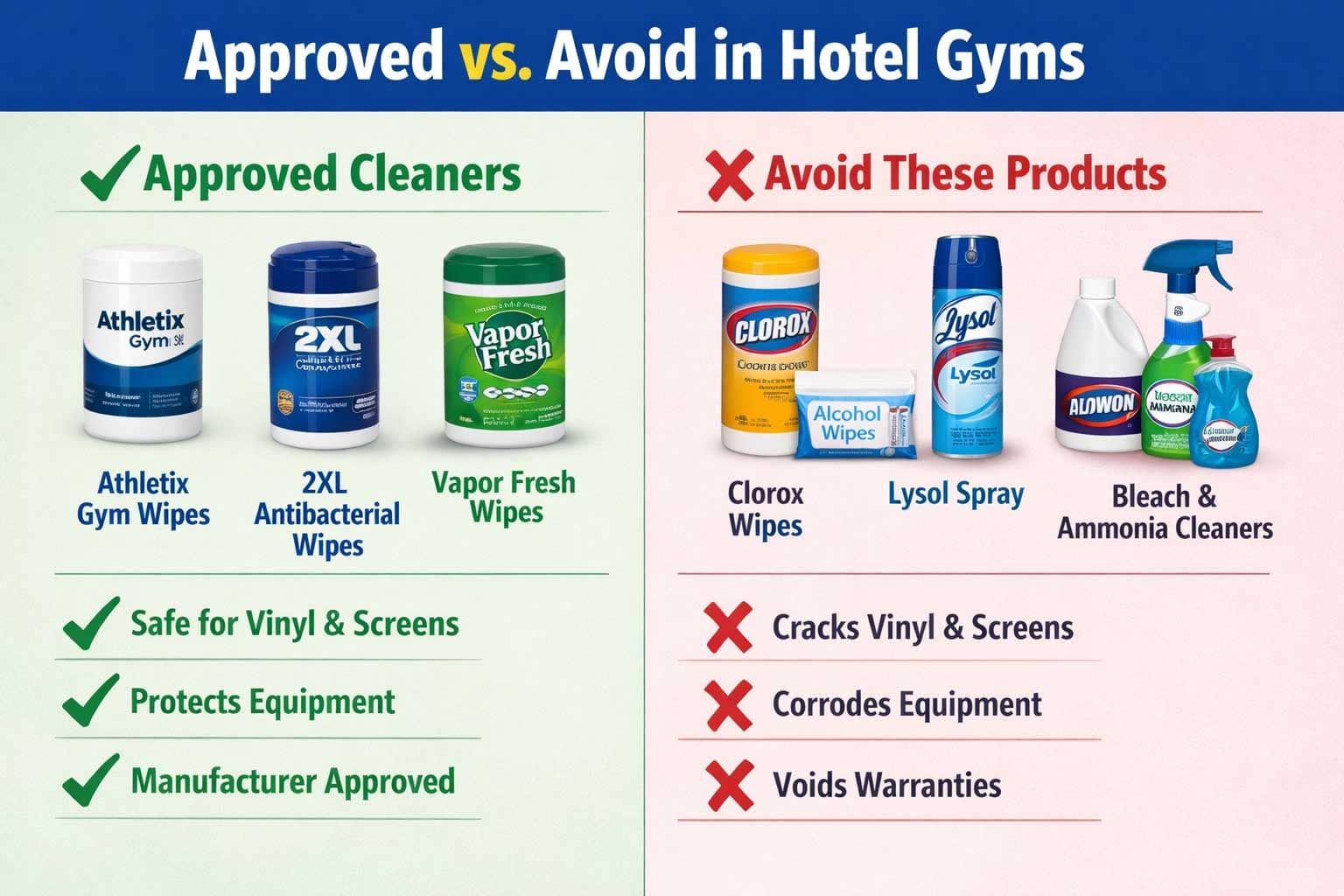
Using manufacturer-approved cleaning products
Neglecting cleaning doesn’t just look bad—it accelerates wear on electronics and moving parts.
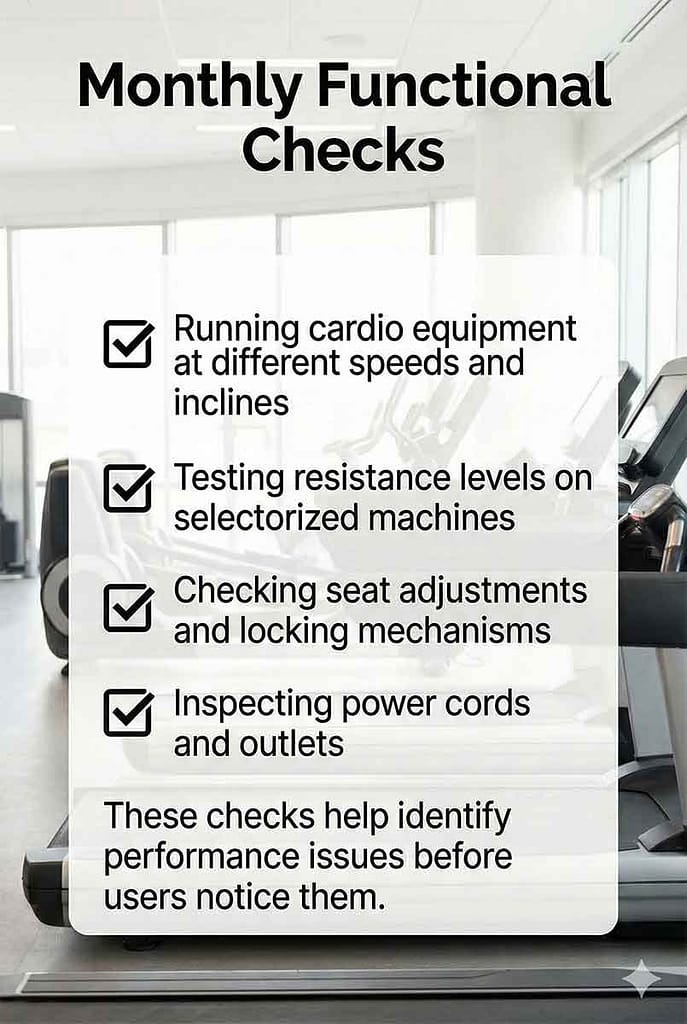
3. Monthly Functional Checks
At least once a month, equipment should be tested beyond a quick glance.
This includes:
Running cardio equipment at different speeds and inclines
Testing resistance levels on selectorized machines
Checking seat adjustments and locking mechanisms
Inspecting power cords and outlets
These checks help identify performance issues before users notice them.
The Commercial Gym Equipment Maintenance Checklist
Here’s a simplified checklist facility managers can reference:
Daily / Weekly
☐ Visual inspection of all equipment
☐ Wipe down surfaces and touchpoints
☐ Remove debris from floors and under machines
Monthly
☐ Test functionality of each machine
☐ Check cables, belts, and pulleys
☐ Inspect electrical connections
Quarterly / Biannual
☐ Schedule professional preventive maintenance
☐ Review maintenance logs and repair trends
☐ Address recurring issues before failure
Common Mistakes Facility Managers Should Avoid
Even well-run facilities make these mistakes:
Waiting for equipment to fully break before calling for service
Skipping preventive maintenance to “save money”
Letting untrained staff attempt mechanical repairs
Ignoring manufacturer service recommendations
Each of these usually leads to higher costs and longer downtime.
A Smarter Approach to Gym Equipment Maintenance
The most successful facility managers treat gym equipment like any other critical building system—HVAC, elevators, or fire safety equipment.
They plan for maintenance.
They budget for it.
They track it.
And they partner with service providers who specialize in commercial fitness equipment, not just general repairs.
Final Thought for Facility Managers
Your fitness center reflects your entire facility. When equipment works, users stay longer, complain less, and trust the property more.
If you’re responsible for a commercial gym, the real question isn’t “Can we afford maintenance?”
It’s “What does it cost us when we don’t maintain it?”
Frequently Asked Questions About Commercial Gym Equipment Maintenance
How often should commercial gym equipment be maintained?
Most commercial fitness equipment should be visually inspected daily or weekly, functionally checked monthly, and professionally serviced quarterly or biannually, depending on usage. High-traffic facilities often require more frequent preventive maintenance to avoid downtime and costly repairs.
What is preventive maintenance for commercial gym equipment?
Preventive maintenance is scheduled servicing designed to prevent equipment failure before it happens. It typically includes inspections of internal components, belt and cable adjustments, lubrication, safety checks, and performance testing. Preventive maintenance is significantly cheaper than emergency repairs or equipment replacement.
Who is responsible for gym equipment maintenance in a commercial facility?
In most commercial facilities, the facility manager or property management team is responsible for ensuring gym equipment is properly maintained. While staff can handle basic inspections and cleaning, professional service providers should handle mechanical and electrical maintenance.
What happens if gym equipment is not properly maintained?
Poor maintenance can lead to:
Equipment breakdowns and downtime
Increased safety and liability risks
Higher repair and replacement costs
Negative user experiences and complaints
In commercial settings, neglected equipment often fails faster and costs more to fix.
Can in-house staff handle gym equipment repairs?
In-house staff can handle basic inspections and cleaning, but mechanical or electrical repairs should be performed by trained fitness equipment technicians. Untrained repairs can void warranties, worsen damage, and increase liability risk.
How long does commercial fitness equipment typically last?
With proper maintenance, commercial fitness equipment can last 7–15 years, depending on the type of machine and usage levels. Without regular preventive maintenance, lifespan is often reduced by several years.
Is preventive maintenance really worth the cost?
Yes. Preventive maintenance helps:
Extend equipment lifespan
Reduce unexpected breakdowns
Lower long-term repair expenses
Protect budgets from unplanned capital replacement
In most cases, maintenance costs are a fraction of replacement costs.
What equipment requires the most maintenance in a commercial gym?
High-use cardio equipment such as treadmills, ellipticals, and bikes typically require the most frequent maintenance due to motors, belts, and electronic components. Selectorized strength machines and cable systems also require regular inspection and adjustment.
How can facility managers track gym equipment maintenance?
Many facilities use:
Maintenance logs or spreadsheets
Digital work order systems
Preventive maintenance schedules from service providers
Tracking maintenance helps identify recurring issues and plan budgets more accurately.
What should facility managers look for in a gym equipment service provider?
A qualified service provider should:
Specialize in commercial fitness equipment
Offer preventive maintenance programs
Provide clear documentation and service reports
Understand liability and safety standards
Experience with commercial environments matters more than lowest price.