
ServiceRX

Knowledge Blog

Treadmill Belts: What Homeowners and Facilities Need to Know About Wear and Repair Cost

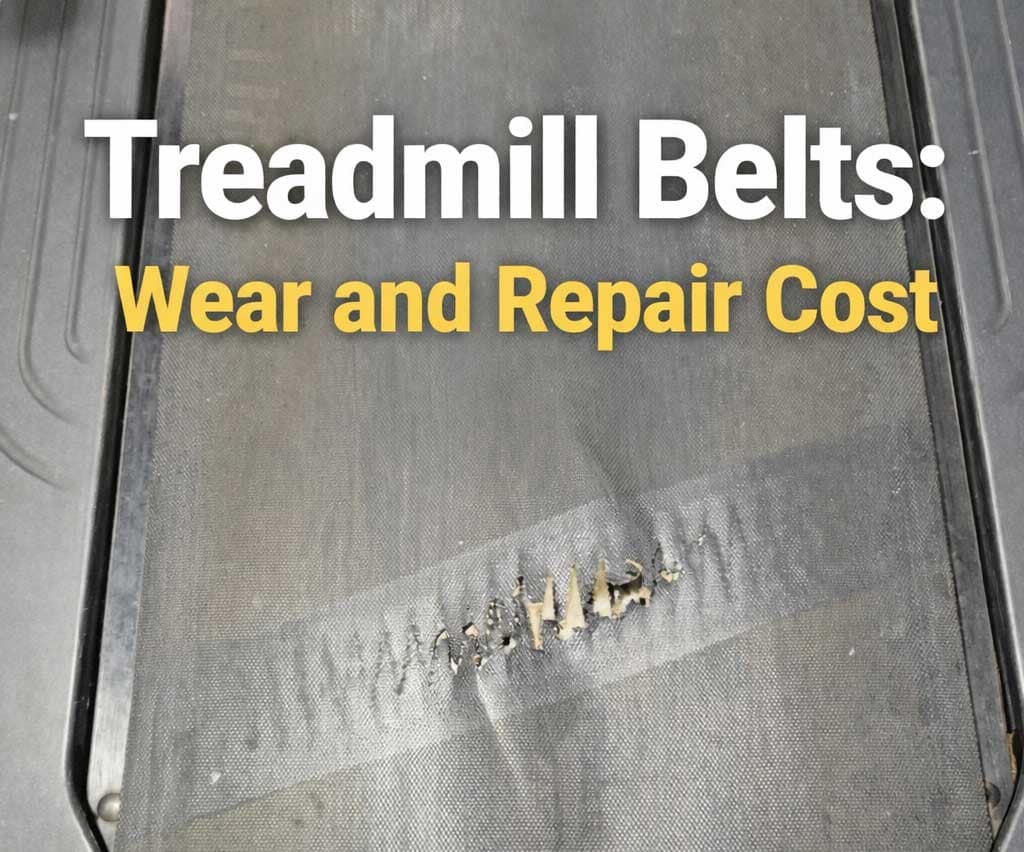
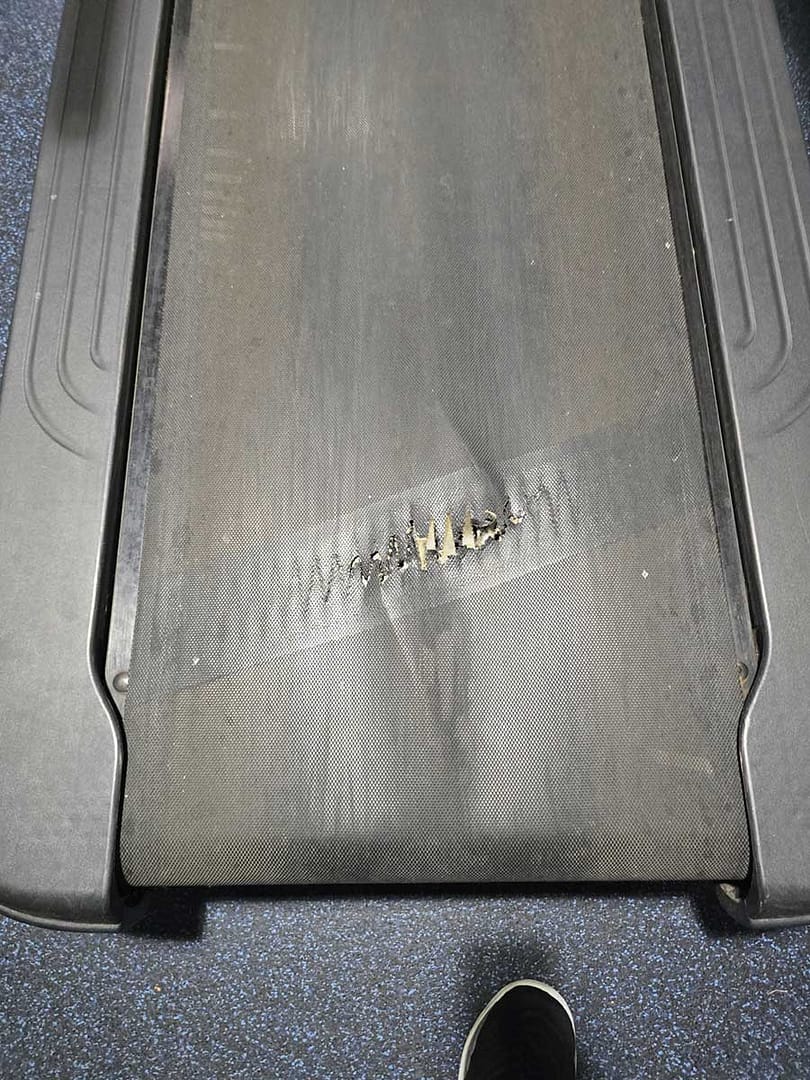
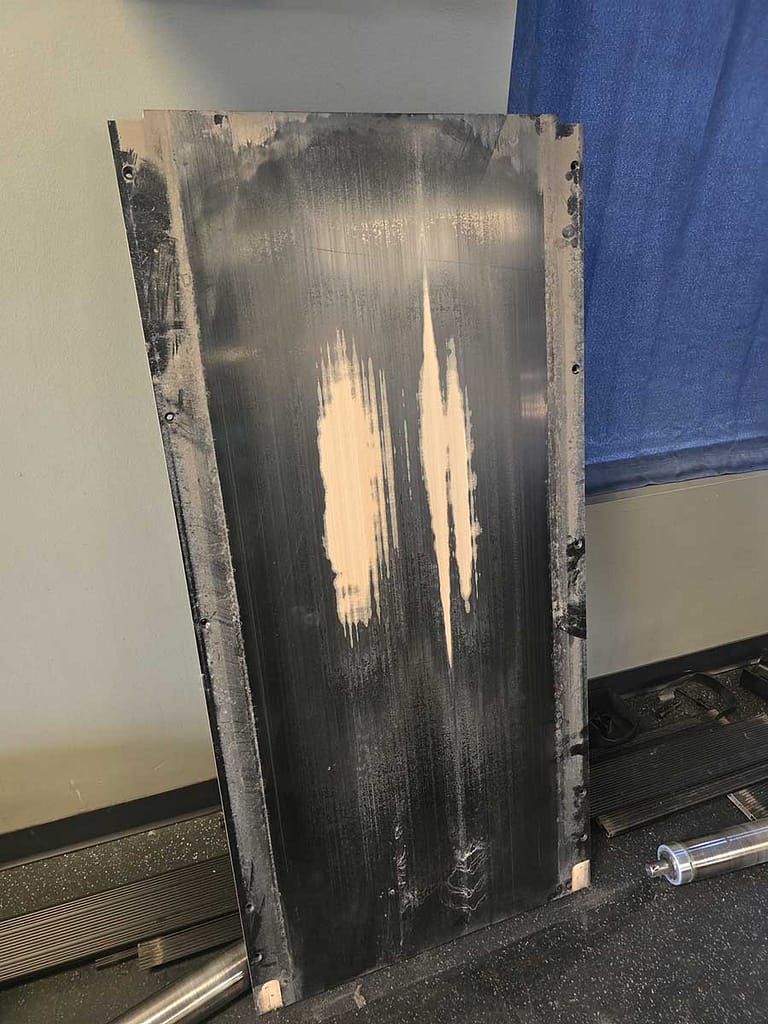
Damaged treadmill belt

Replacing a worn treadmill belt is one of the most common—and most misunderstood—treadmill repairs. If you’re researching treadmill belt replacement cost, you’re likely trying to decide whether this is a simple fix, a professional job, or a sign it may be time to replace the treadmill entirely.

The reality is that pricing varies widely based on the treadmill model, belt type, labor, and overall condition of the machine. This guide breaks down average costs, explains the factors that influence pricing, and helps homeowners and facility managers make informed decisions before spending money.


When Treadmill Belts Start to Fail

Treadmill belts don’t usually fail suddenly. They wear down gradually, often giving warning signs long before performance becomes unsafe.

Common indicators include:

  • Visible cracks, fraying edges, or peeling layers

  • Slipping during walking or running

  • Jerky motion or hesitation at startup

  • Grinding, squeaking, or thumping noises

  • Belt drifting to one side despite adjustment

These symptoms often point to increased friction between the belt and deck. If left unaddressed, that friction can contribute to deck wear, overheating, and premature motor failure—turning a manageable repair into a much larger expense.

damaged walk deck
burned walk belt

Treadmill Belt Seams Busted

Underside of a walk belt that has burned from friction

What Drives Treadmill Belt Replacement Cost?

There’s no universal price because several variables influence the final cost.

1. Treadmill Brand and Model

Different brands use different belt specifications and construction methods.

  • Popular residential brands like Nordic Track, Proform, Sole, and Horizon typically fall in the mid-range for parts pricing

  • Higher-end or commercial models often require thicker, heavier-duty belts

  • Some manufacturers require proprietary sizing, limiting aftermarket options

The more specialized the treadmill, the higher the potential repair cost.


2. Aftermarket Belt vs OEM Belt

An aftermarket belt is often less expensive and works well for many home treadmills when properly matched by size and thickness. OEM belts cost more but may be required for warranty compliance or specific commercial units.

Aftermarket options can reduce upfront cost, while OEM belts may offer longer consistency in high-use environments.


3. Belt Construction and Thickness

Belt durability matters. Thicker designs—especially a 2-ply belt—handle friction and load better, which can extend service life but increase cost.

  • Thinner belts: lower upfront cost, shorter lifespan

  • Thicker belts: higher upfront cost, smoother feel, reduced strain on internal components

Choosing the wrong belt thickness can lead to repeat repairs.


4. Labor and Service Access

Labor costs vary based on:

  • Location (urban vs rural markets)

  • Ease of access (tight rooms, upstairs placement)

  • Complexity of disassembly and alignment

For homeowners searching treadmill belt replacement near me, professional service often includes inspection, installation, alignment, testing, and safety checks—reducing the risk of mistakes.


5. Deck Condition and Secondary Wear

A worn belt often damages the deck underneath it. If the deck surface is rough or scored, replacing only the belt may lead to rapid wear of the new part.

In these cases, technicians may recommend replacing both components at once to avoid repeat labor costs.

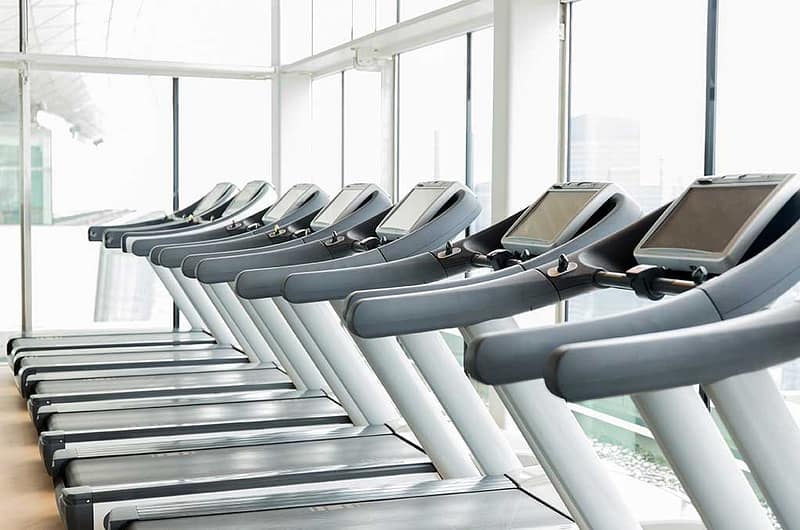
Line of treadmills

Average Treadmill Belt Replacement Cost

DIY Replacement (Parts Only)

  • Belt: $75–$250

  • Supplies: $10–$30

Typical total: $85–$280

DIY can work for mechanically confident users, but incorrect installation or tensioning often leads to tracking issues or premature wear.


Professional Replacement (Parts + Labor)

  • Belt: $150–$400

  • Labor/service call: $150–$350

Typical total: $300–$750

This option is common for mid-range and higher-end treadmills or when users want certainty the job is done correctly.


Belt + Deck Replacement

  • Belt: $150–$400

  • Deck: $150–$300

  • Labor: $200–$450

Typical total: $500–$1,100

This is frequently the most cost-effective long-term solution when friction has been present for an extended period.


Belt Adjustment, Lubrication, and Cost Control

Proper belt adjustment plays a key role in controlling long-term repair cost. Monthly visual checks and minor centering corrections help prevent uneven wear.

Most manufacturers also specify periodic belt lubrication, which reduces friction and heat. However, over-application or using the wrong product can cause slipping and contamination. Always follow model-specific guidance.

Simple maintenance habits often delay major repairs by years.


Repair vs Replacement: Is It Worth Fixing?

Belt replacement usually makes sense when:

  • The treadmill frame and electronics are sound

  • The motor runs smoothly

  • Parts are readily available

Replacement becomes questionable when:

A professional assessment helps clarify which path makes financial sense.


Why Professional Service Often Saves Money

While DIY may seem cheaper initially, professional service often prevents:

  • Misalignment that damages motors

  • Repeat belt failures

  • Safety issues during use

For homeowners and facilities, professional installation frequently results in fewer breakdowns and longer equipment life.

👉 Learn more about professional fitness equipment repair at gosrx.com/fitness-equipment-repair/


Conclusion

Understanding treadmill belt replacement cost allows you to budget realistically and avoid surprise expenses. For most users, costs range from under $100 for DIY parts to $700+ for full professional service, depending on treadmill type and condition.

If you’re unsure whether your treadmill needs a belt, deck, or full service—or you’re searching for treadmill belt replacement near me—a professional evaluation can prevent unnecessary spending.

Ready for expert help?
Contact ServiceRX at 888-383-6371 for a consultation and get clear answers before you invest in repairs.

Frequently Asked Questions

How long do treadmill belts usually last?
Most residential belts last 3–5 years with moderate use.

Is an aftermarket belt safe to use?
Yes, when properly matched to size and thickness.

Can a worn belt damage the motor?
Yes. Excess friction increases motor strain and heat.

Does belt thickness matter?
Yes. Thicker belts handle load better and last longer.

Is professional service worth it?
For many users, professional service reduces risk and extends treadmill life.