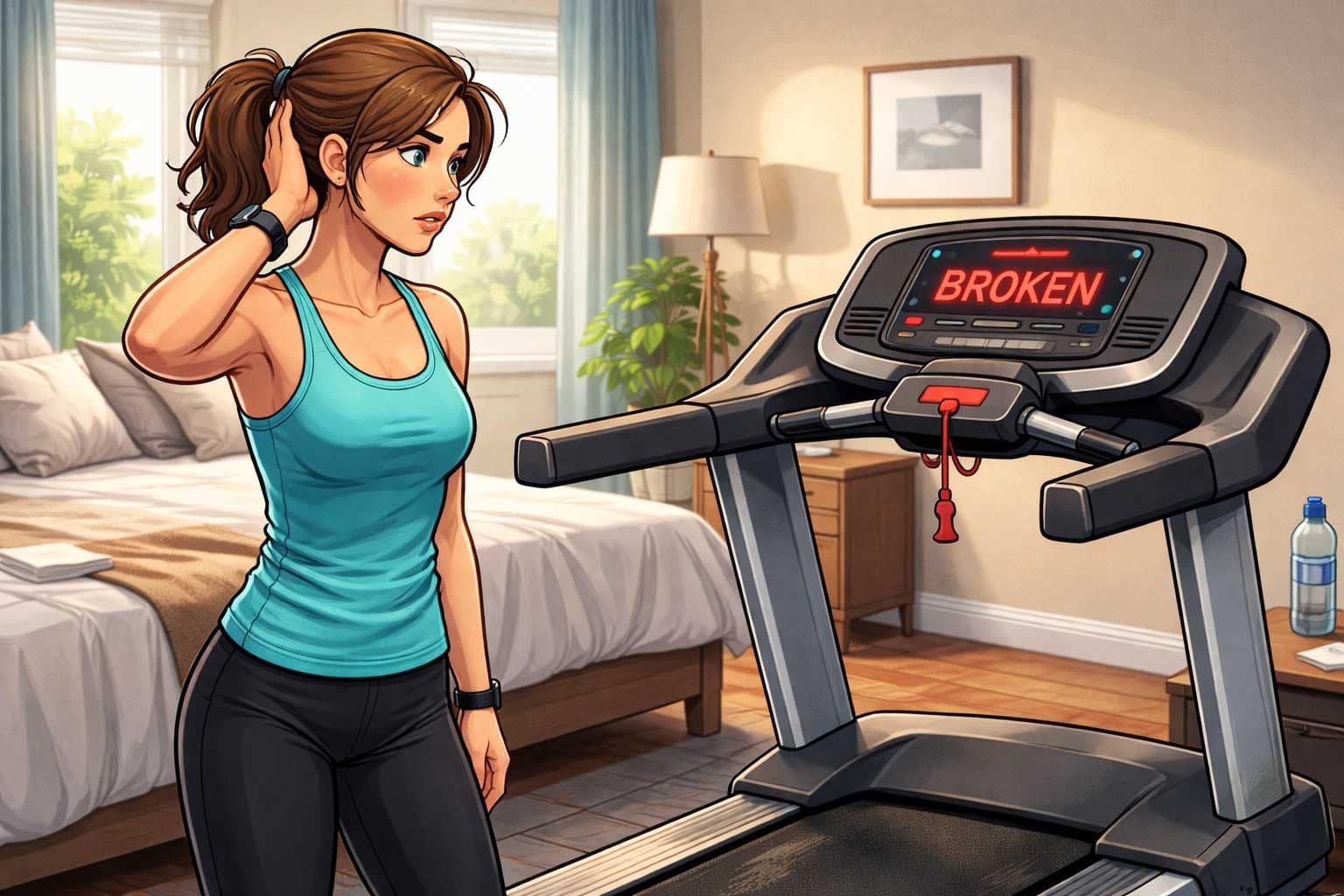
Picture this: it’s peak hour at your gym, hotel, or apartment fitness center, and a treadmill suddenly shuts down mid-workout. Members are frustrated, staff scramble, and safety concerns rise immediately. In commercial environments, downtime isn’t just inconvenient. It affects reputation, retention, and liability.
Understanding early warning signs, knowing what your team can safely check, and recognizing when professional service is required can prevent minor issues from becoming expensive disruptions. This guide breaks down common problems seen in high-traffic U.S. facilities, outlines simple in-house checks, and explains when expert help is the most cost-effective path forward.
Common Treadmill Repair Issues in Commercial Fitness Equipment
Commercial cardio machines operate for long hours under varying loads. Compared to residential models, wear happens faster and problems escalate more quickly if overlooked.
Walk Belt Problems: Wear, Slipping, and Belt Alignment
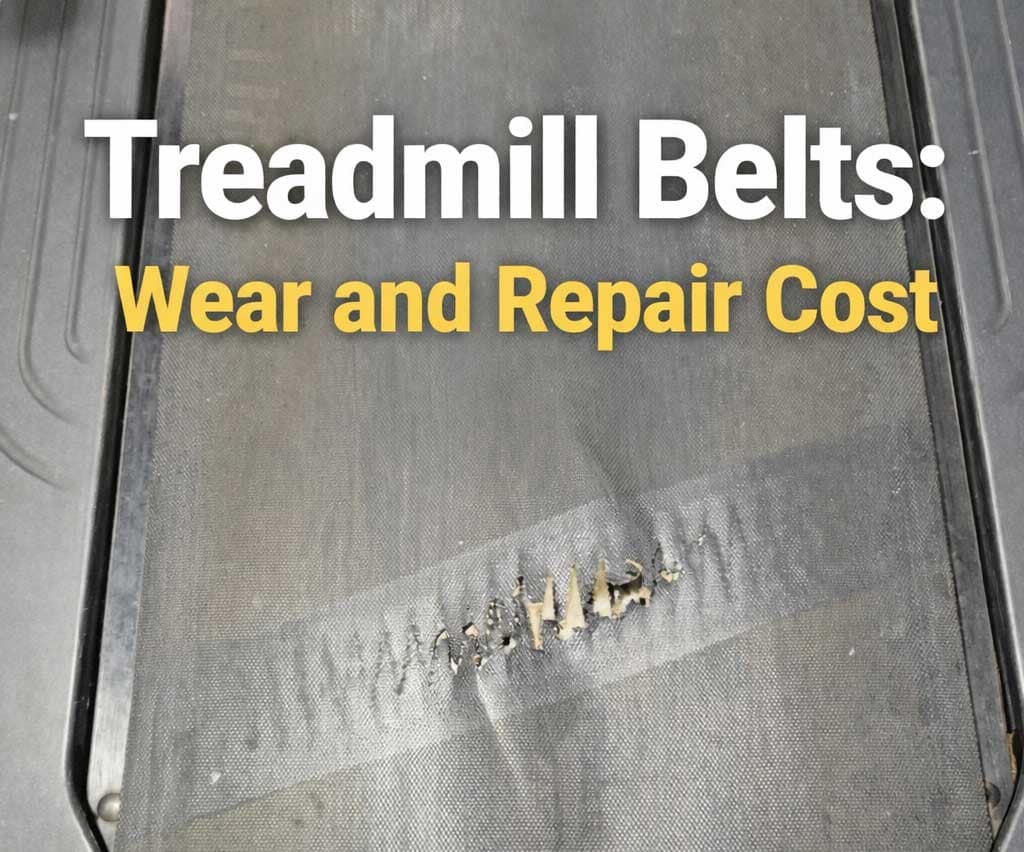
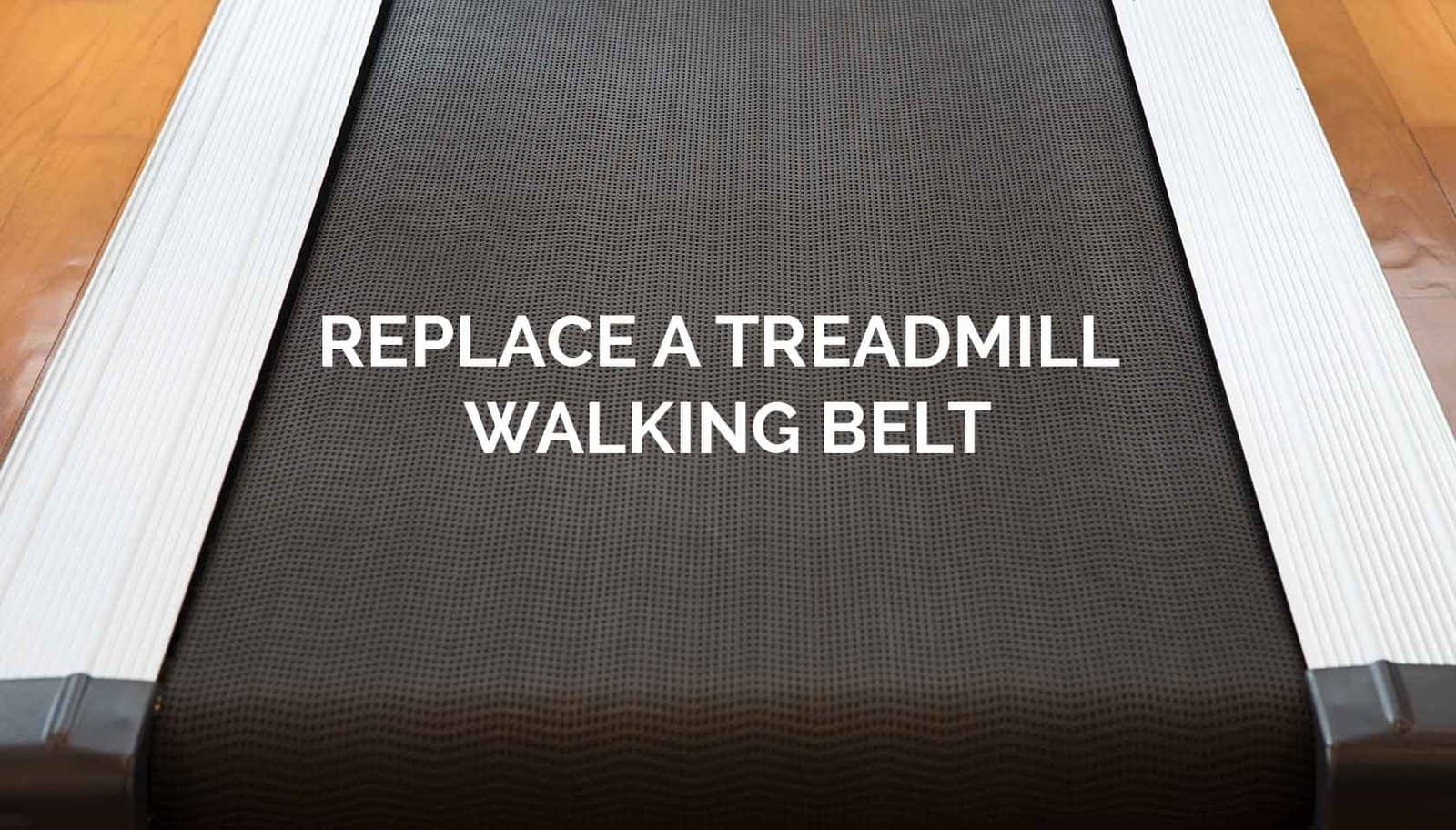
The walk belt handles constant friction and impact. Common symptoms include hesitation at startup, uneven movement, or walk belt slipping during use. Visible fraying or the belt drifting to one side often points to belt alignment issues.
In busy facilities, skipped walk belt lubrication, uneven flooring, and improper belt tension increase drag. This added resistance forces other components to work harder and shortens the lifespan of the entire unit. Manufacturers like Precor, Star Trac, NordicTrack, and Horizon Fitness all emphasize routine belt care for this reason.
Drive Motor Issues: Overheating and Inconsistent Speed
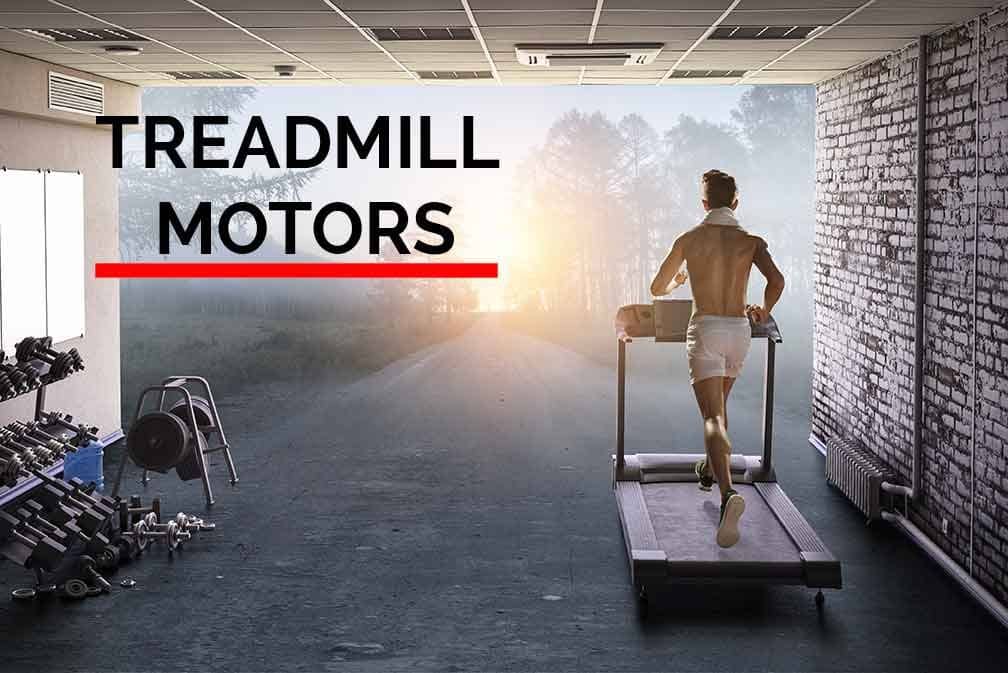
Unexpected slowdowns, burning smells, or sudden stops often trace back to the drive motor working under excessive load. Dust buildup, restricted airflow, or excessive belt friction can push motors beyond their designed limits.
In shared electrical environments such as hotels and apartment communities, voltage inconsistencies can add stress, making motor-related failures more common than many operators expect.
Console and Electrical Failures
Blank displays, unresponsive buttons, or recurring error codes typically indicate electrical or control board issues. Moisture, frequent power cycling, or internal wiring wear can interrupt communication between components.
While a reset may temporarily restore function, repeated issues usually require professional testing tools to confirm the root cause.
Basic Walk Belt Checks and Safe Troubleshooting Steps
Some early-stage issues can be addressed safely without tools or technical training. These steps focus on observation, cleanliness, and basic care only.
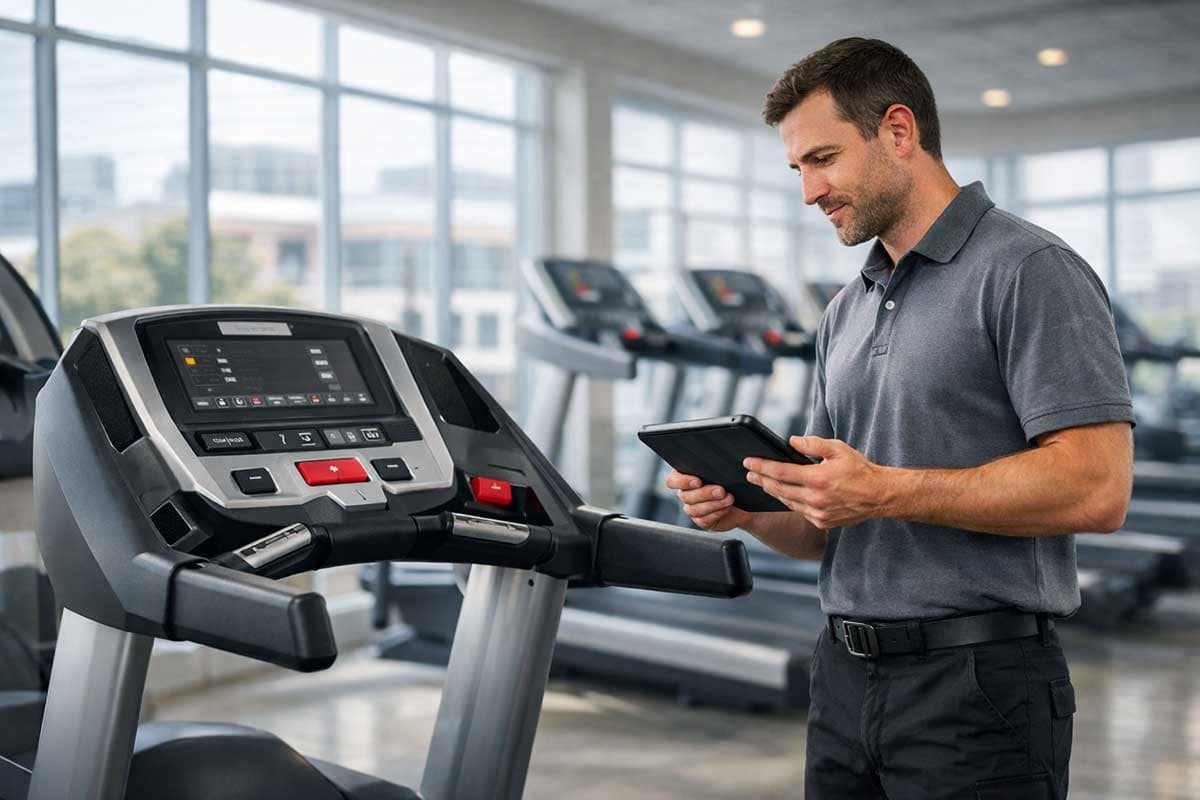
Visual inspection: Look for debris beneath the deck, uneven belt tracking, or visible wear. Confirm the walk belt remains centered during operation.
Power reset: Unplug the unit for several minutes before restarting. This can clear temporary console or sensor glitches.
Cleaning: Vacuum accessible vents and wipe down surfaces to reduce heat buildup and dust accumulation.
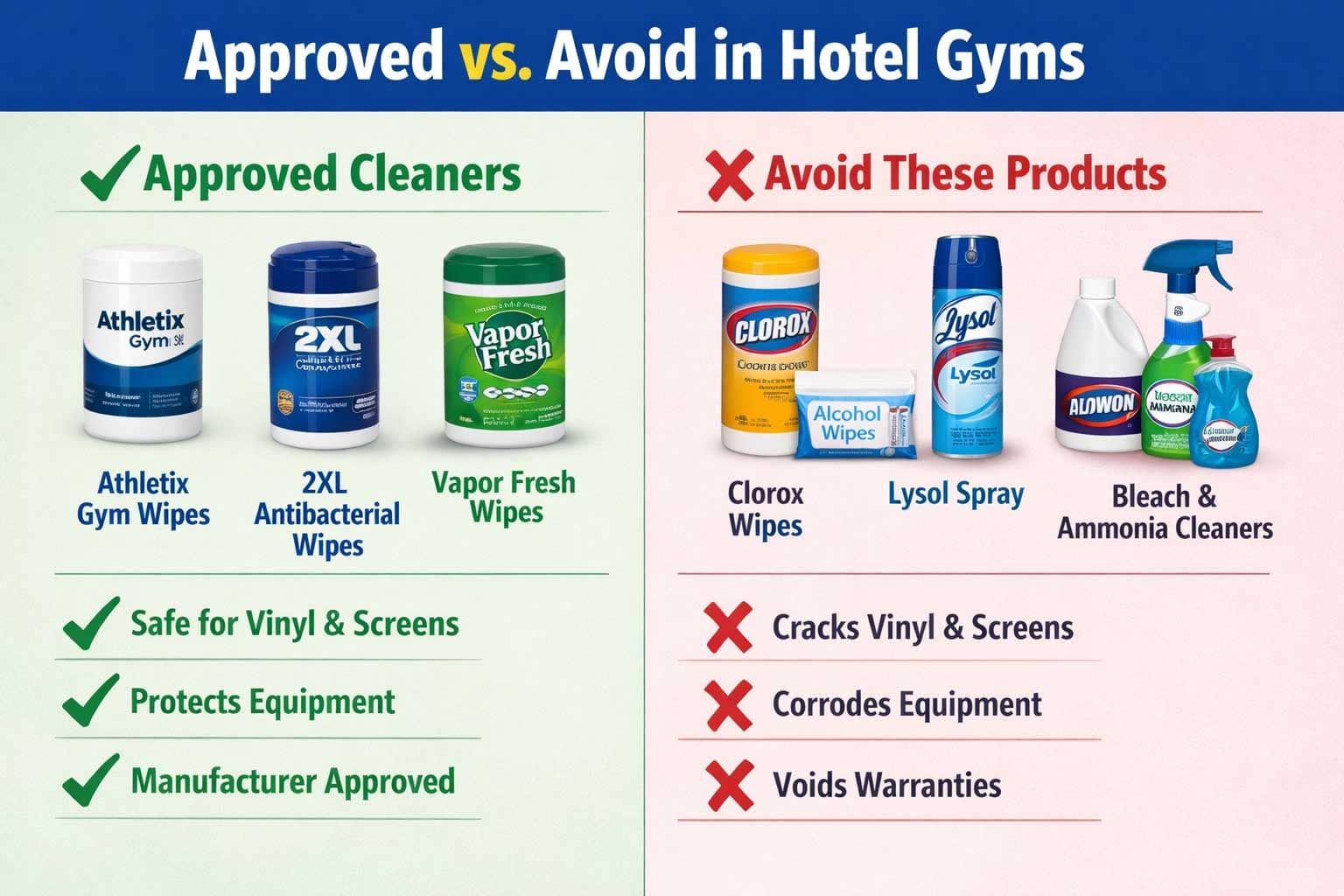
Lubrication check: If recommended by the manufacturer, confirm walk belt lubrication intervals are being followed using approved products only.
These steps often support accurate diagnosis later if professional service is required, without increasing risk.
DIY vs Professional Treadmill Repair in Commercial Settings
Basic checks like cleaning and visual inspections are reasonable for staff. Internal adjustments are where risk increases quickly.
Attempting belt tension changes, electrical testing, or motor access without training can cause misalignment, void warranties, or create safety hazards. In commercial facilities, one incorrect adjustment can sideline equipment for weeks and expose the property to liability.
Professional treadmill repair focuses on precision and long-term reliability. Certified technicians evaluate the full system, ensuring belt alignment, motor load, and electrical components operate within manufacturer specifications. This approach reduces repeat failures and protects the investment.
Red Flags That Require Professional Service
Certain warning signs should never be ignored in high-use environments:
Electrical smells or smoke
Repeated error codes after resets
Excessive heat from the belt or motor area
Sudden shutdowns during use
Any issue involving internal components or calibration
When these appear, continued operation increases the risk of injury and secondary damage. At this stage, professional evaluation is the safest and most cost-effective option.
How Expert Service Protects Commercial Fitness Equipment Long Term
Facilities that rely on experienced technicians see fewer disruptions and more predictable operating costs. Preventive service identifies problems early, stabilizing budgets and extending usable equipment life.
Rather than reacting to breakdowns, expert treadmill repair supports consistent member experience and reduces long-term stress on staff. Over time, this approach protects both physical assets and brand reputation.
Conclusion
Commercial treadmills rarely fail without warning. By recognizing common issues, performing safe checks, and knowing when expert help is needed, facility owners reduce downtime, protect users, and control long-term costs.
If you’re weighing whether an issue is worth fixing or risking, a professional assessment can prevent unnecessary replacement and extended outages. As a trusted resource for commercial gym machines and cardio systems, ServiceRX helps facilities keep operations running smoothly and reliably.
Frequently Asked Questions About Commercial Treadmills
How often should commercial treadmills be serviced?
Most commercial treadmills benefit from professional service two to four times per year, depending on usage. High-traffic gyms, hotels, and apartment communities typically require quarterly inspections to address wear before it leads to downtime or safety issues.
Can staff fix a slipping walk belt themselves?
Staff can safely check for debris, confirm the belt is centered, and ensure cleaning schedules are followed. However, adjusting belt tension or belt alignment requires precision. Improper adjustments can strain rollers, overload the drive motor, or create safety risks. If walk belt slipping continues after basic checks, professional service is recommended.
Why is walk belt lubrication so important?
Walk belt lubrication reduces friction between the belt and deck, lowering stress on the motor and electrical components. Skipped or incorrect lubrication is one of the most common causes of overheating and premature failure in commercial cardio machines. Always follow manufacturer guidelines and use approved lubricants only.
What causes treadmills to shut off during use?
Sudden shutdowns are usually a safety response. Common causes include overheating, electrical faults, worn belts creating excess drag, or failing sensors. While a reset may temporarily restore operation, repeated shutdowns indicate an underlying issue that should be professionally evaluated.
Are commercial treadmills different from home models?
Yes. Commercial treadmills are designed for higher daily usage, longer run times, and greater weight variation. Brands like Precor, Star Trac, NordicTrack, and Horizon Fitness build commercial units with heavier-duty components, but they still require consistent care to perform reliably.
Will attempting internal repairs void the warranty?
In many cases, yes. Most manufacturers require internal repairs and adjustments to be performed by authorized or certified technicians. Unauthorized work can void warranties and increase long-term costs if additional damage occurs.
How do I know whether to repair or replace a treadmill?
If the frame is structurally sound and parts are still available, professional service is often far more cost-effective than replacement. Frequent breakdowns, discontinued electronics, or obsolete components may signal replacement is approaching, but that decision should be guided by an expert assessment rather than guesswork.
What causes motors to overheat in commercial facilities?
Common causes include excessive belt friction, skipped lubrication, dust buildup, restricted airflow, or inconsistent power supply. Overheating is typically a symptom of another issue, which is why identifying the root cause is critical before returning the unit to service.
Is preventive maintenance worth the cost?
Preventive maintenance is almost always less expensive than emergency repairs or premature replacement. Facilities that follow consistent service schedules experience fewer disruptions, longer equipment lifespan, and more predictable budgeting over time.
Who should handle service for commercial treadmills?
Commercial gym machines should be serviced by technicians experienced with high-use environments and manufacturer specifications. This ensures safety compliance, accurate calibration, and reliable long-term performance.
Frequently Asked Questions: Commercial Treadmill Repair
How often should commercial treadmills be serviced?
Most commercial treadmills should receive professional service 2–4 times per year, depending on usage. High-traffic gyms, hotels, and apartment communities typically benefit from quarterly inspections to catch wear early and prevent unexpected downtime.
Can staff fix a slipping walk belt themselves?
Staff can safely:
Check for debris
Confirm the belt is centered
Ensure cleaning and lubrication schedules are followed
However, belt tension and alignment adjustments require precision. Improper adjustments can overload the motor, damage rollers, or create safety risks. If slipping continues after basic checks, professional service is recommended.
Why is walk belt lubrication so important?
Proper lubrication reduces friction between the belt and deck. This:
Lowers motor strain
Reduces overheating
Extends the life of the belt, deck, and electronics
Skipped or incorrect lubrication is one of the most common causes of premature treadmill failure in commercial environments. Always follow manufacturer guidelines and use approved products.
What causes commercial treadmills to shut off during use?
Sudden shutdowns are usually a built-in safety response. Common causes include:
Overheating from excess belt friction
Electrical faults
Worn belts or decks
Failing sensors or control boards
While a reset may temporarily restore operation, repeated shutdowns signal an underlying issue that should be professionally evaluated.
Are commercial treadmills different from home treadmills?
Yes. Commercial treadmills are built for:
Higher daily usage
Longer run times
Greater weight variation
Brands like Precor, Star Trac, NordicTrack, and Horizon Fitness use heavier-duty components, but even commercial machines require consistent maintenance to perform reliably.
Will attempting internal repairs void the warranty?
In many cases, yes. Most manufacturers require internal adjustments and repairs to be performed by authorized or certified technicians. Unauthorized work can void warranties and increase long-term repair costs.
How do I know whether to repair or replace a treadmill?
If the frame is sound and parts are still available, repair is often far more cost-effective than replacement. Replacement is usually considered when:
Electronics are discontinued
Structural damage is present
Breakdowns become frequent despite proper service
A professional assessment helps avoid unnecessary replacements.
What causes treadmill motors to overheat in commercial facilities?
Common causes include:
Excessive belt friction
Skipped lubrication
Dust buildup
Restricted airflow
Inconsistent power supply
Motor overheating is usually a symptom, not the root problem. Identifying the cause is critical before returning equipment to service.
Is preventive maintenance really worth the cost?
Almost always. Preventive maintenance:
Costs less than emergency repairs
Reduces downtime
Extends equipment lifespan
Creates predictable budgeting
Facilities that maintain consistent service schedules experience fewer disruptions and better long-term ROI.
Who should handle service for commercial treadmills?
Commercial treadmills should be serviced by technicians experienced with:
High-use environments
Manufacturer specifications
Safety and liability considerations
This ensures proper calibration, compliance, and long-term reliability.